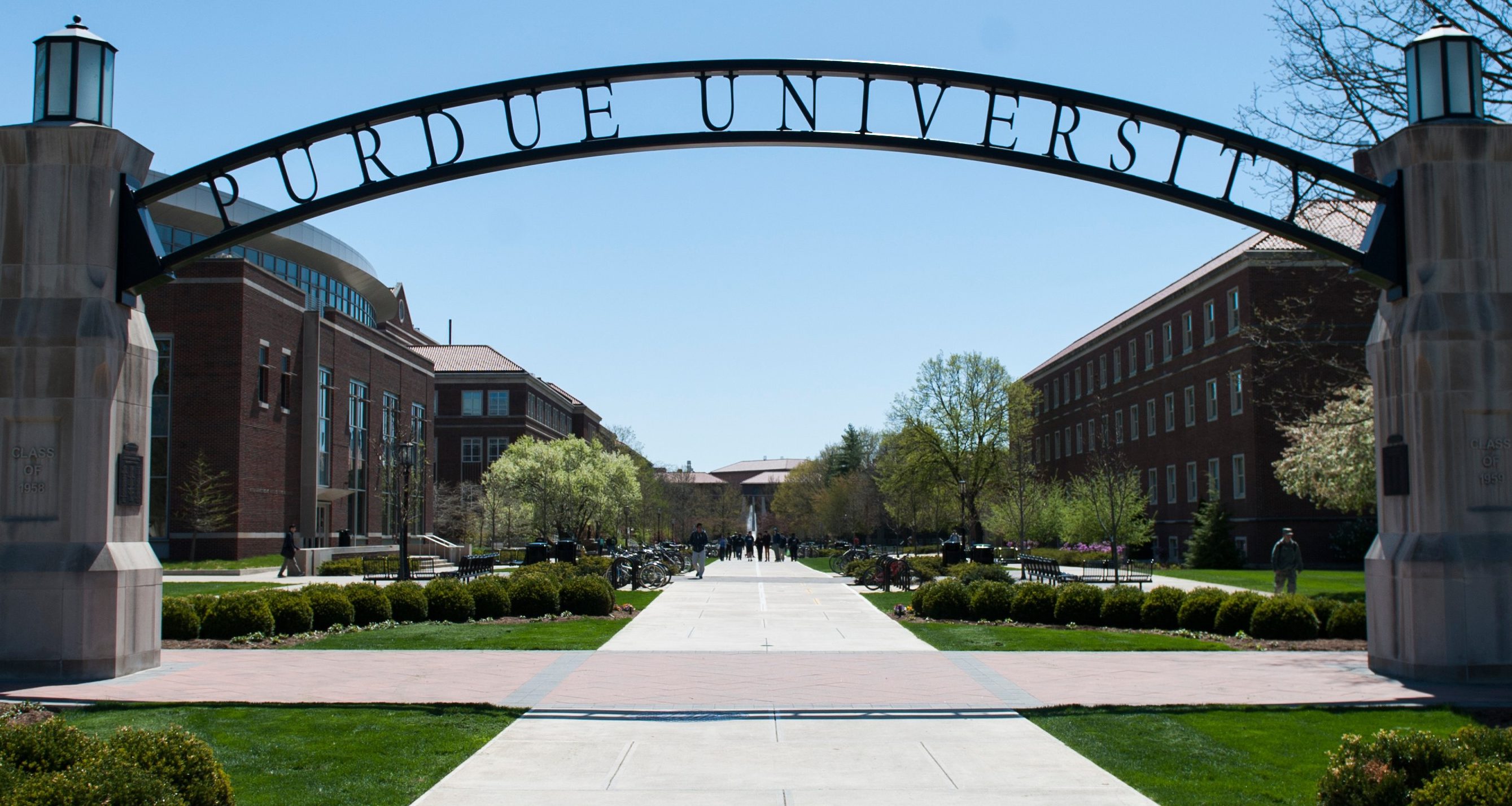
As my mother likes to say, “Not bad for a kid who went to high school in the middle of a cornfield.” If you read the middle part of the last blog entry, you know that my high school was (and still is in fact) surrounded by the farms of rural Henry County. As a nod to what we hear each May during the opening ceremonies at the Indianapolis Motor Speedway, this time I am celebrating my own return home. After more than a decade of corporate moves around the country, I celebrated moving back home after so many amazing experiences that elicited this response from Mom more often than I can count.
When I left Indiana in 1995, things were quite a bit different than they were in 2006 when I returned. And things have changed rather dramatically in the intervening years. Let’s look back and see how our home state has done. Some of you like numbers, so here’s a look at those.
In 2009 dollars, 1995 GDP was something less than $222 billion (state data I found only goes back to 1997). By the time I left for Texas in 2006 GDP was up to $274 billion. Most recent reported year 2017, GDP was up to $301 billion. Our population grew during that timeframe as well, from just over 5.9 million in 1997 to over 6.6 million in 2016. Breaking GDP down to a per capita figure, this also shows growth from $40,781 (1997) to $50,577 (2016).
A growing population in the state combined with lower unemployment rates means that more of the people in this growing population are working to contribute to this rising Indiana GDP. Let’s take a quick look at how the unemployment rates in Indiana have changed over this same timeframe, according to the U.S. Bureau of Labor Statistics. By using the data finder (https://beta.bls.gov/dataQuery/find?fq=survey:[la]&s=popularity:D) I was able to chart the state unemployment rate for the state from 1995 through August 2018. Beginning at 4.5% in 1995, dropping below 3.0% just before the 2000 tech meltdown and peaking at 11.0% in February 2010, the latest reported rate on this chart is 4.5% in August 2018. We know from media reports that is has dropped to around 3.5% since then.
These numbers are reported in the aggregate and don’t represent the experience of individual employees or employers. They fail to reflect the experiences of those individuals that are underemployed as well as those of employers having difficulty filling positions. One of the first things I did in 2008 after beginning my stint as Director of the Purdue College of Technology (now Purdue Polytechnic, see www.purdue.edu/anderson) in Anderson was to attend then-Congressman Mike Pence’s annual job fair at Ball State. My objective was to find out who in the region was hiring and whether they were getting the right candidates. If not, I wanted to know whether any of my students were potential candidates for their vacancies. Fast forward a decade, and no surprise that the employers and vacancies most wanting are still in need of employees with STEM skills. That’s the focus of Pence’s successor in the Statehouse, Gov. Eric Holcomb (see www.nextleveljobs.org).
As I matured in my work at Purdue and with the employers of the state, learning about their needs as well as Purdue’s capabilities, I began to match up the two and found a perfect match across the industry groupings that our state finds important to continued economic growth and expansion. As the basis of what I do every day, I focus on these four industry clusters:
- Advanced Manufacturing
- Life Sciences (including agriculture, ag tech, pharmacy and so on)
- Logistics and Transportation
- Information Technology
Take a closer look at how they match up and how Purdue works with each of these industry clusters on my office’s web page at www.purdue.edu/engageindy.
IN CLOSING
The schools, colleges and academic departments at Purdue all match to one or more of these industry clusters. By providing employees, research support and other ways to make these Indiana-based industries the best they can be, Purdue is a partner in growing the Indiana economy now and into the future. So when you hear “Back Home Again in Indiana” and the Purdue All-American Marching Band at the opening of the Indy 500, remember this!
Thanks for reading. Looking forward to your comments and connections.

 Barb's Boomer Blog