Last time I shared Cindy Solomon’s blog on this same topic. I find her views thought provoking and have watched the latest movements in employment (and unemployment) with great interest. I don’t think there is one simple answer to the lack of talent to fill the many jobs going unfilled, nor do I find that all those leaving the work force or opting to remain out do so for the same reason.
Back when the federal government was supplementing state unemployment funds, a number of governors thought that the answer to filling the unfilled jobs was to forego those extra federal funds. By reducing the amount of unemployment each week by some $300, so they thought, the individuals would tend to flock to apply for the vacant positions. By and large, that didn’t seem to occur. Anecdotally, it seems, there are many reasons for this. Among those reasons were those staying home due to lack of childcare, students still learning from home and needing adult supervision, fear of coming in contact with COVID-19, and those who found they could do as well in the gig economy (DoorDash, Instacart, Uber and the like).
Now, as some see pandemic restrictions beginning to lift, an even more interesting phenomenon is occurring. Dubbed “The Great Resignation” in many circles, for several months about 4 million people each month have left their jobs. Whether to go to something else they already have lined up, to take a break, or begin to look for something else in that vast pool of vacancies we all keep hearing about, it’s a big enough thing to have its own hashtag–#QuitStorm. Go figure!
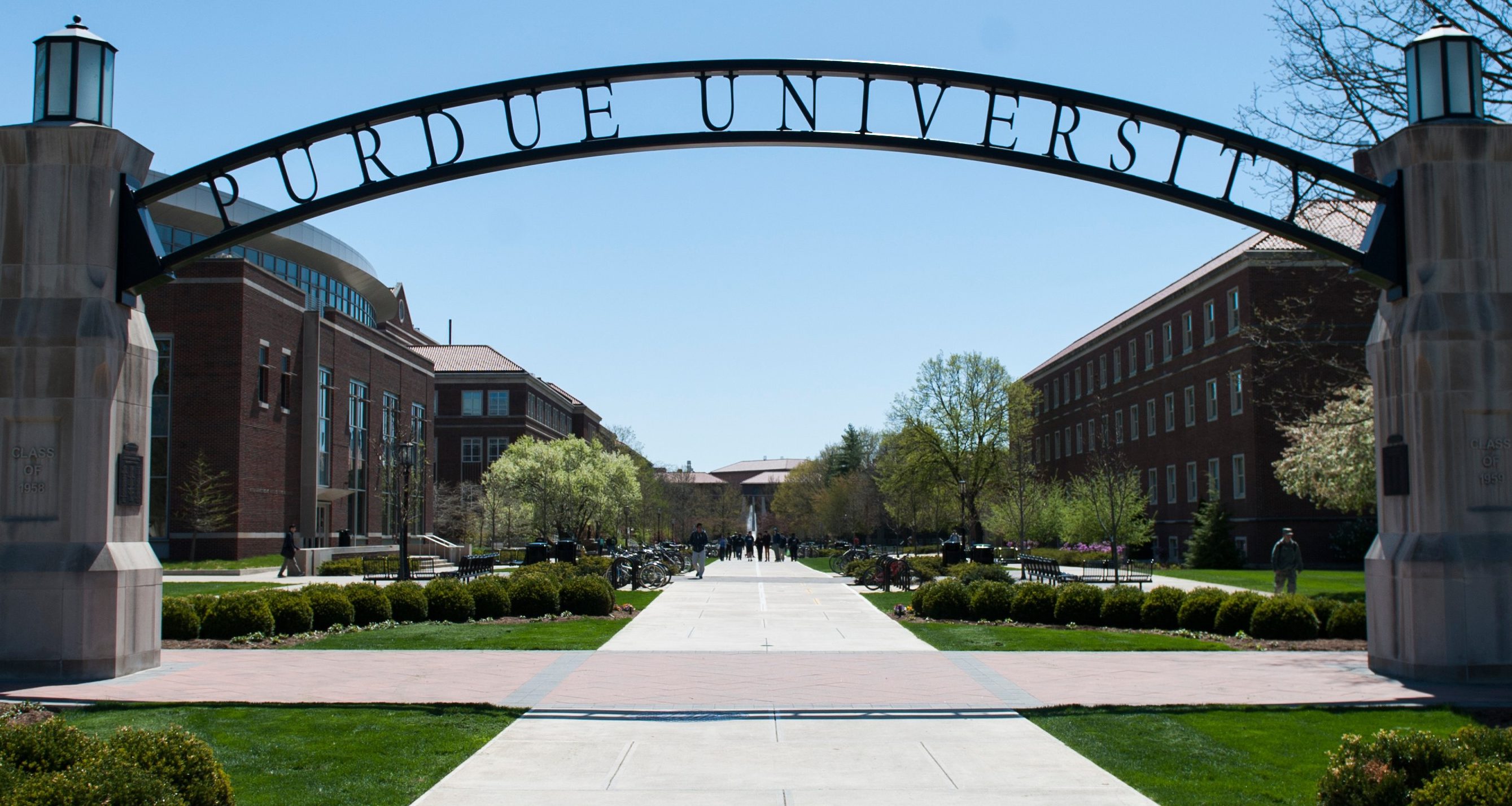
When I had my monthly meeting with my boss earlier this week, I asked him if he had heard anything about this effect hitting our employer (Purdue University). He hadn’t heard it mentioned and knew that if it was a concern for us, it would have been brought up by now. However, he did what he often does when we are tossing ideas around. He searched online and got numerous hits. When I did the same thing after our conversation, the search bar auto-completed with “The Great Resignation IS ACCELERATING” (emphasis mine). Most of the pieces making that claim are from the past couple of weeks.
One subset of The Great Resignation often mentioned is The Great Retirement, typically described as retiring earlier than planned. I did that the first time around some 15 years ago from my corporate career—four years earlier than originally planned thanks to a buyout package and a strong desire to get out of suburban DC and move back home. Having reinvented myself in higher education administration, now my next retirement will not be an early one. However, for those who have or will be going through retirement in the 2020-21 timeframe earlier than perhaps originally planned that may be taking even more talent out of the labor pool. These highly skilled employees can be hard to replace, especially when the pool of available talent is shrinking.
It appears that, for the time being anyway, the days of just being grateful to have a job and hanging onto it as long as you can are gone. That’s so hard for me to grasp, so here are my bits of advice gleaned in part from personal experience and in part from advice taken from others I trust and admire. And some of it is just good common sense.
If you have a job that you are contemplating giving up, for whatever reason, here are my tips to consider if you can, before taking that final step out the door:
- Have a plan before you hand over that letter of resignation. Whether that means another job lined up in advance, enough money in the bank to cover the bills for the time it will take you to complete a new search, or some other sound financial plan (both on the income and expense sides) to keep your money situation secure.
- Don’t burn bridges on your way out the door. You may be leaving because you have a bad boss, terrible work environment, co-workers you can no longer tolerate—well, you get the idea. But people do talk and it’s best to rise above it and be classy. Similarly, remember the interview advice that says don’t bad-mouth your current employer while looking for a new job. Makes the new place wonder if you will do the same to them some day.
- In the spirit of not burning bridges, see if you can give more than the minimum two weeks’ notice. When I came to Purdue, I said I needed 30 days to help with transition from my prior employer while they found my replacement. The extra time was granted.
- It’s ok to make a lateral move if there are benefits to be had—learning a new industry or other skills, moving to a new geographical area, better working environment (see point above).
Best of luck to you if your decision is to stay where you are, move to another opportunity, step away from the employment arena temporarily or permanently. I’m all in for 2021 and working on my plans for 2022. Stay tuned for any big announcements!
IN CLOSING
Thanks for reading. Looking forward to your comments and connections, both virtual and in person as my world continues to open up. Until next time . . . . stay safe and healthy!

 Barb's Boomer Blog