Blog

economic development

THE GREAT RETIREMENT–MY TURN!

Time for me to let everyone know that by the end of the month I will be doing Retirement 2.0. First time around I was pretty young for a life of leisure, so I started a second career (unplanned). Turns out it lasted long enough for me to qualify for retirement the second time around, and I never expected that going in.

There have been very dramatic differences in what I experienced in the corporate world (first career) and what I have experienced in academia, although much of the skills from the first time around have proven to be quite useful. Change, decision-making, finances all are handled much differently across the two sectors and employees often tend to react quite differently. Truth be told, I “grew up” in the corporate world and was already a mature employee by the time I came into my second career, so perspectives were obviously different. Perspectives have changed for a number of topics that I have covered here in the past few years as well. Let’s take a look at some of them.

FLAGSHIP

Back in the fall of 2018, musings on my experiences on the board of directors and the work of the Flagship Enterprise Center garnered more attention than any other posts before or since. As my retirement date approaches, my plan is to continue my work there, along with that of the Flagship Enterprise Capital board, its related entity. The work is closely tied to entrepreneurship and economic development in the central Indiana region, an important endeavor.

HOMECOMING

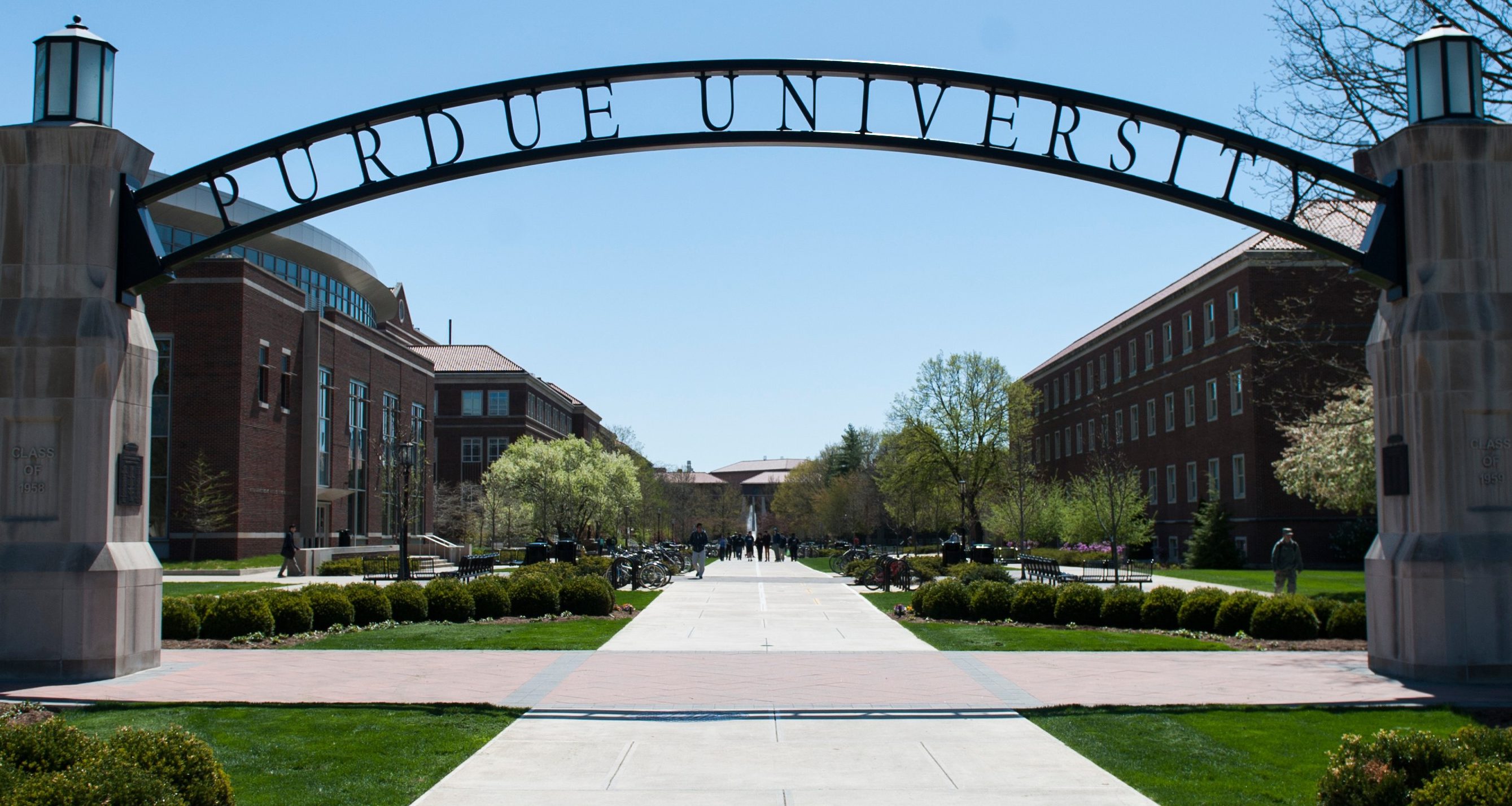
Two of the three celebrations that I described in that post—those for my high school and for my undergraduate alma mater—will continue to be important events for me going forward. Purdue, as my soon-to-be-former employer, not so much. Next year my high school graduating class will celebrate our 50-year reunion, whether at Homecoming or elsewhere. Should be fun!

NURSES

These wonderful and amazing people continue to take good care of us all—family and friends. As a cancer survivor, I have more than my fair share of follow-up visits and will for the foreseeable future. Always a blessing to get a clean bill of health each time, coupled with a smile from my favorite nurse!

OPPORTUNITIES

We never know what will come our way. I had no idea that I would launch a second career, spanning a decade and a half, or the things I would learn or the friends I would make along the way. So I can’t wait to find out what’s next. As I’ve said before, who knows? Be brave and bold!

THE UNKNOWN

Turns out it’s not so scary after all . . . .

IN CLOSING

Thanks for reading.  Looking forward to your comments and connections, both virtual and in person in the not too distant future.    Until next time . . . . stay safe and healthy and remember, plan ahead because some day it will be your turn!

economic development

WHAT’S NEXT? WHO KNOWS?

Let’s review. I said I would wrap up 2021 with my views on what I thought would continue post-pandemic, what would come to an end and what I put in the category of “who knows?” all with the caveat of my lack of technical expertise in economics, healthcare and epidemiology. However, with 40+ years in business and higher education and a propensity for keen observation, I do have the ability to find connections that others might miss. So for what it’s worth, here goes.

A brief rundown of the “what will continue” category included:

  • COVID, perhaps not as virulent, and those who resist the ways to fight it
  • Shortage/burnout of healthcare workers
  • Talent shortages in many sectors, but opportunities for those who seek them out
  • Real estate challenges in both commercial and residential markets
  • Retail, both brick-and-mortar and ecommerce, and supply chain challenges (both retail and wholesale)
  • Inflation, no longer considered transitory by those in policy making roles

What will change or fade away included:

  • New ways to fight COVID, perhaps both treatments and vaccinations
  • More travel if the increasing cost of fuel and flight cancellations don’t combine to bring travel to a screeching halt; travel and hospitality industry recovery
  • People returning to concerts, restaurants and other forms of entertainment (provided that people to fill the necessary jobs can be found)
  • Virtual learning will become a thing to replace snow days on a short term basis rather than something put in place for long term during COVID outbreaks
  • Mask use will eventually fade away or become a personal choice
  • Interest rates, held at historic lows since early 2020, will rise during 2022

WHO KNOWS?

Now that we are a week or so into the new year, so many things could go into this category. The talking heads in the business and finance world have been fascinated with inflation at high levels, so-called “quits” at high levels as well along with continued job vacancies and employers struggling to fill them. That struggle may be one of the factors contributing to the inability of the economy to fully recover in a robust way throughout the coming year and beyond—who knows?

There are a few items that I tend to watch on the Bloomberg tracker at the bottom of the screen. Most of these I have no direct investment in—just curiosity and some knowledge of how their movement may affect the broader economy in both near and short term.

First, I watch the three main domestic stock indices, even though I know their movements don’t signify either how the broader economy may be doing or how a broader portfolio may do. Movements in the Dow, S&P and NASDAQ were quite positive in 2021, but got off to a somewhat rocky start in the first week of 2022. One week doesn’t necessarily set a trend, and so many factors will weigh in on the performance for the remainder of the year, so again—who knows?

The price of oil as a commodity is one I watch, not because I am invested there but because it will eventually be reflected in the price at the pump and other transportation costs. It recently topped $80/barrel and I recently heard some discussion of $100/barrel within the next year or two. At the risk of dating myself, I remember J.R Ewing, the evil brother on the nighttime soap Dallas, exulting when oil topped $30/barrel. Where will the price of oil, and its products go, how will that affect the rollout of non-internal combustion engine vehicles (EV and hybrid)—again, who knows?

Cyber currencies, Bitcoin et al, are fun to watch but not a sector I have come to understand. When they first appeared on the Bloomberg tracker running at the bottom of the screen, I knew they were at least approaching mainstream. Prior to their appearance, there had been a lot of discussion about regulation (quite the move from Bitcoin being a haven for drug dealers and organized crime). If memory serves, Bitcoin topped out around $65k and is now trading around $42k at this writing. A bit speculative and scary for me. A few years ago a friend said he was investing in Ethereum, a lesser known cyber currency. He bought in at $1000 and said he only invested what he knew he could afford to lose—just to see what would happen. I don’t know if he stayed the course, but it is trading quite a bit higher than that now. Even some of the larger banks and investment firms are now talking about these currencies, making trades, offering ETFs and so on. So will cyber currency continue its move toward mainstream—who knows?

We could go on in this vein for pages, but let’s stop here. We will revisit the list perhaps midyear and again at the end of the year and see what has developed.

FOR NEXT TIME:

I will be thinking about what the next round of posts might address. If you have any ideas or requests, don’t hesitate to let me know.

IN CLOSING:

Stay safe, healthy and happy until next time. Looking forward to your comments and connections.

economic development

WHAT’S NEXT (2.0)?

Let’s review. Last time I said I would wrap up 2021 with my views on what I thought would continue post-pandemic, what would come to an end and what I put in the category of “who knows?” all with the caveat of my lack of technical expertise in economics, healthcare and epidemiology. However, with 40+ years in business and higher education and a propensity for keen observation, I do have the ability to find connections that others might miss. So for what it’s worth, here goes.

A brief rundown of the “what will continue” category from last time included:

  • COVID, perhaps not as virulent, and those who resist the ways to fight it
  • Shortage/burnout of healthcare workers
  • Talent shortages in many sectors, but opportunities for those who seek them out
  • Real estate challenges in both commercial and residential markets
  • Retail, both brick-and-mortar and ecommerce, and supply chain challenges (retail and wholesale)
  • Inflation, no longer considered transitory by those in policy making roles

WHAT WILL CHANGE OR FADE AWAY:

New ways to fight COVID, perhaps both treatments and vaccinations, will be developed as will changes in policy and guidelines for those who contract and are exposed to the disease. Already the CDC has indicated that there may be a reduction in the 10-day isolation period for some down to 5 days. Whether that will get people back to work faster or just cause greater spread remains to be seen.

Already we are seeing more travel through the 2021 holiday season than we saw in 2020. If the increasing cost of fuel and flight cancellations don’t combine to bring travel to a screeching halt, the travel and hospitality industry recovery could bring about a nice economic bounce. Add in people returning to concerts, restaurants and other forms of entertainment (provided that people to fill the necessary jobs can be found) and this major sector will be poised for recovery.

Virtual learning will become a way to replace snow days on a short term basis rather than something put in place for long term during COVID outbreaks. Similarly, mask use will eventually fade away or become a personal choice. Seems like it is for many people already, based on my observation.

Chair Powell at the Fed has already signaled that their interest rates, held at historic lows since early 2020, will rise during 2022. The trickle-through effect to the rest of the interest rate market is that both commercial and consumer borrowers will see their interest rates rise. This means that historically low mortgage rates likely will rise, including ARMs and new mortgages. This combined with the continued rise in lumber costs might lead to a slump in new home construction and purchases, not to mention the lack of labor in this sector.

Perhaps aspirational on my part, I would like to see social media return to a bit more civil set of platforms where entrepreneurs can build their businesses, families share their joy and friends reconnect after years apart. Less nastiness and sharing of differences would be a wonderful thing as we head into 2022.

FOR NEXT TIME:

As we think about “who knows?” the list could be fairly lengthy, but I will try to keep it targeted based on the topics from this time and the previous post.

IN CLOSING:

I hope all had a Happy Holiday Season, however you choose to celebrate. Stay safe, healthy and happy until next time. Looking forward to your comments and connections.

economic development

WHAT’S NEXT?

After almost two years of an unprecedented (just one of many terms I’m tired of) pandemic, quarantine, long-awaited vaccines that some people avoid because they don’t believe the science or believe some strange conspiracy theory, what can possibly be on the horizon for 2022? I have no crystal ball, I’m not an epidemiologist or even a healthcare worker. Nor am I an economist. But I do have 40+ years of work experience in both a large corporate environment and higher education on top of two business degrees. Add to that a propensity for being quite observant, good at connecting dots and noticing things others may never notice.

With those things in mind, here are my observations wrapping up 2021 and looking ahead to 2022. As I have observed before, I like to do things in threes, So we will look at trends I think will continue, things I think will fade away, and then will wrap up with “who knows?” To be completely honest, after the last two years, everything should probably go in that last category. Earlier this week while meeting with an acquaintance, I gave him some free advice and made sure he knew that it was worth exactly what he was paying for it—zilch, nada, zero! Same goes here, although this info isn’t exactly advice. More a compendium of info that has been rolling around in my head after reading, listening, and synthesizing what I know, what I think I know and what I wish we knew.

So here goes—

WHAT WILL CONTINUE:

COVID in its various forms will be with us for the long haul. Some things I have read say it may become less virulent, and we may be able to protect ourselves with an annual booster. Perhaps it can be combined with our annual flu shot. For those who opt out, for whatever reason, this resistance is another thing that will continue. The misinformation (my view) that will continue to drive this challenge won’t go away any time soon either. Illness and death, unfortunately, along with overburdened hospitals and their staffs will continue. How long I don’t want to guess.

The outgrowth of this will be healthcare workers experiencing burnout, leaving the profession, and perhaps not being replaced by new hires who are turned away from these professions by the challenges of the past two years. Further exacerbating the issue in our hospitals will be putting off non-emergency care, those of us afraid to seek care when we need it, and delaying the inevitable. In Indiana, our governor has again called on military troops to supplement overburdened staff in hospitals around the state. Typically called out in times of emergency like floods or tornadoes, this is something I have not seen before.

On a broader employment basis, the need for talent to fill the many vacant positions will continue into the foreseeable future. The Great Resignation, now called the Great Reset by some, is not abating. Many of those leaving their jobs haven’t found a replacement position yet, but as savings dry up and those federal dollars come to an end, they MAY be encouraged to find something else. I even saw a short blurb about people in central Indiana now going back to the same jobs they left voluntarily earlier in the pandemic. No details, but I may be curious enough to do a bit of research. Others are leaving for greener (literally) pastures as some employers are coming to realize that higher wages, better benefits and so on are required to both retain and attract the best talent.

On the real estate front, the changes in both the residential and commercial markets will continue for some time. On the commercial side, few employers will be going all-in on a return to office for all employees any time soon unless necessary for the type of work they do. Hybrid and remote work will continue, perhaps on a permanent basis for some employers and employee groups. This flexibility ranks highly in terms of what people look for when searching for positions. In terms of residential, the increasingly high cost of lumber and other building supplies will continue to drive up the cost of new home construction as well as moderate and major renovations of existing homes. Factor in the challenge of finding skilled labor (have you tried to get work done at your house lately?) and you can just about forget moving. Even if you sell in a sellers’ market, where will you buy and what can you afford?

Closely tied to commercial real estate is its subset, retail. The pandemic and the shutdown in the early days and months forged some quick winners and losers. For example, Zoom and Instacart had niche markets; now they are household names. Amazon was already a household name, but ecommerce and other delivery services like GrubHub and DoorDash gained greater prominence. The hybrid version, order online and pickup in store or curbside, grew as consumers began to get out more. Different people will continue to have different preferences, and the companies that get ahead of those preferences will prevail. Brick-and-mortar will survive to the extent that it provides a unique experience combined with ecommerce, social media, and all the other consumer preferences. The days of “this is what we have, take it or leave it” are long gone.

Preview in new tab

Inflation, no longer considered transitory (really just a fancy word for temporary) by the people setting policy, will be around long enough to present a challenge. Continued supply chain challenges will exacerbate this issue, and it won’t be just TP in short supply. Anecdotally, in my circle it has been cream cheese, of all things, that some have been unable to locate. Not me, I stocked up for my Christmas recipe needs and for my morning bagel.

FOR NEXT TIME:

This turned into a longer list of observations than I expected. The remaining two categories—WHAT WILL FADE AWAY and WHO KNOWS? will have to wait for another day. Until then, have a safe, healthy and Happy Holiday Season. Take time to celebrate with those you love. Refresh and come back ready for a new 2022!
economic development

THE GREAT RESIGNATION – MY TAKE

Last time I shared Cindy Solomon’s blog on this same topic. I find her views thought provoking and have watched the latest movements in employment (and unemployment) with great interest. I don’t think there is one simple answer to the lack of talent to fill the many jobs going unfilled, nor do I find that all those leaving the work force or opting to remain out do so for the same reason.

Back when the federal government was supplementing state unemployment funds, a number of governors thought that the answer to filling the unfilled jobs was to forego those extra federal funds. By reducing the amount of unemployment each week by some $300, so they thought, the individuals would tend to flock to apply for the vacant positions. By and large, that didn’t seem to occur. Anecdotally, it seems, there are many reasons for this. Among those reasons were those staying home due to lack of childcare, students still learning from home and needing adult supervision, fear of coming in contact with COVID-19, and those who found they could do as well in the gig economy (DoorDash, Instacart, Uber and the like).

Now, as some see pandemic restrictions beginning to lift, an even more interesting phenomenon is occurring. Dubbed “The Great Resignation” in many circles, for several months about 4 million people each month have left their jobs. Whether to go to something else they already have lined up, to take a break, or begin to look for something else in that vast pool of vacancies we all keep hearing about, it’s a big enough thing to have its own hashtag–#QuitStorm. Go figure!

When I had my monthly meeting with my boss earlier this week, I asked him if he had heard anything about this effect hitting our employer (Purdue University). He hadn’t heard it mentioned and knew that if it was a concern for us, it would have been brought up by now. However, he did what he often does when we are tossing ideas around. He searched online and got numerous hits. When I did the same thing after our conversation, the search bar auto-completed with “The Great Resignation IS ACCELERATING” (emphasis mine). Most of the pieces making that claim are from the past couple of weeks.

One subset of The Great Resignation often mentioned is The Great Retirement, typically described as retiring earlier than planned. I did that the first time around some 15 years ago from my corporate career—four years earlier than originally planned thanks to a buyout package and a strong desire to get out of suburban DC and move back home. Having reinvented myself in higher education administration, now my next retirement will not be an early one. However, for those who have or will be going through retirement in the 2020-21 timeframe earlier than perhaps originally planned that may be taking even more talent out of the labor pool. These highly skilled employees can be hard to replace, especially when the pool of available talent is shrinking.

It appears that, for the time being anyway, the days of just being grateful to have a job and hanging onto it as long as you can are gone. That’s so hard for me to grasp, so here are my bits of advice gleaned in part from personal experience and in part from advice taken from others I trust and admire. And some of it is just good common sense.

If you have a job that you are contemplating giving up, for whatever reason, here are my tips to consider if you can, before taking that final step out the door:

  • Have a plan before you hand over that letter of resignation. Whether that means another job lined up in advance, enough money in the bank to cover the bills for the time it will take you to complete a new search, or some other sound financial plan (both on the income and expense sides) to keep your money situation secure.
  • Don’t burn bridges on your way out the door. You may be leaving because you have a bad boss, terrible work environment, co-workers you can no longer tolerate—well, you get the idea. But people do talk and it’s best to rise above it and be classy. Similarly, remember the interview advice that says don’t bad-mouth your current employer while looking for a new job. Makes the new place wonder if you will do the same to them some day.
  • In the spirit of not burning bridges, see if you can give more than the minimum two weeks’ notice. When I came to Purdue, I said I needed 30 days to help with transition from my prior employer while they found my replacement. The extra time was granted.
  • It’s ok to make a lateral move if there are benefits to be had—learning a new industry or other skills, moving to a new geographical area, better working environment (see point above).

Best of luck to you if your decision is to stay where you are, move to another opportunity, step away from the employment arena temporarily or permanently. I’m all in for 2021 and working on my plans for 2022. Stay tuned for any big announcements!

IN CLOSING

Thanks for reading.  Looking forward to your comments and connections, both virtual and in person as my world continues to open up.  Until next time . . . . stay safe and healthy!